
Residential Services
Media Room Design
Media rooms are quickly becoming a must for every home.
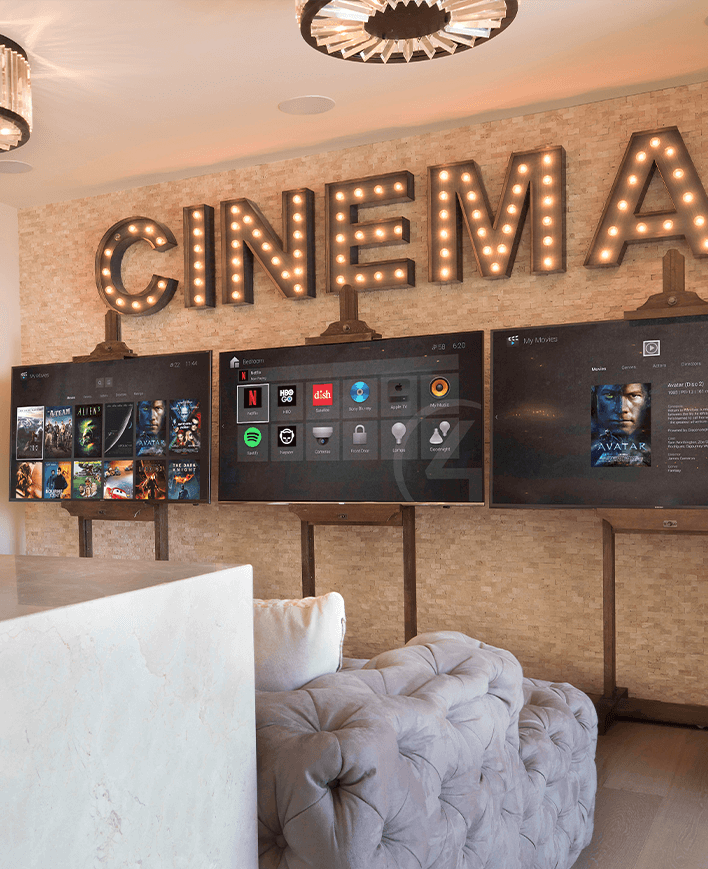
Media Room Solutions
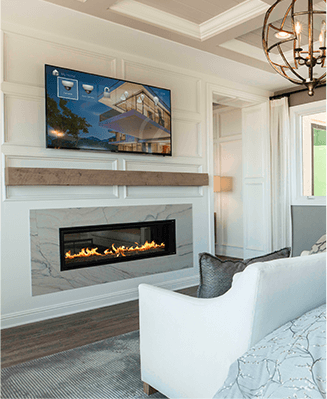
Transform leisure time into an immersive experience with our tailor-made media room setups, where every element is curated for optimal entertainment and comfort.

An Entertainment Room That Still Works as a Living Space
A media room has to serve more than one kind of evening. You may watch a game with friends, play a console from the sofa, put on music while cooking, or settle in for a movie after the children are asleep. Those uses place different demands on the screen, sound system, lighting and controls. Begin with how the room is lived in rather than trying to fit a dedicated theater into every family room.
Furniture placement is an important starting point. A sectional may create several viewing angles; an open kitchen may be another listening area. The screen should remain comfortable from the main seats, and speaker coverage should suit the people actually using the room. A larger display is not an improvement if glare, viewing height or an awkward wall location makes it tiring to watch.
For Phoenix homes with large windows and open floor plans, daytime viewing deserves its own discussion. We can help compare display options, assess the effect of window coverings, and plan unobtrusive equipment placement. The room should feel welcoming when the system is off and easy to enjoy when it is on.

What We Do
Media Room Design and Installation
Media rooms are quickly becoming a must for every home. Whether it is a theater/game room combination, a TV and surround sound, or 2-Channel audio, we can design and build the perfect space for you and your family.
Build the Room Around Three Everyday Priorities
A useful media room brief describes the family’s routines, the furnishings that stay and the equipment you need to connect.
Movies, Sports or Gaming First?
Rank your main uses and list the source devices. Movie viewing may prioritize dialogue and light control; sports gatherings need broad visibility; gaming may need a direct high-performance video connection. Agree on the primary use so the proposal reflects your habits rather than a long list of features you seldom use.
Keep the Design Comfortable
Map seating, walking routes, doors and daylight before choosing display size or speaker locations. Discuss visible speakers versus architectural options, cabinet ventilation and where a subwoofer can fit. The best arrangement keeps the room comfortable without burying equipment where heat, vibration or blocked sound creates problems.
Account for Finished-Room Labor
Wall access, ceiling height, the distance to equipment and existing wiring affect installation cost. Built-in cabinetry, shade integration and control programming add scope too. Ask which work is included and who handles any drywall repair or electrical changes so the AV budget matches the complete room plan.
What We Do
Our Audio Video Services
A fully integrated AV system requires an in-depth design procedure to assure that all of the components
and sub-systems work together properly. Without a proper design, you may be subject to hidden charges later.


AV Design and Installation
A fully integrated AV system requires an in-depth design procedure to assure that all of the components and sub-systems work together properly.
View Service


Home Theater
Love watching movies? Hate going to the theater? Let us show you how we can design and install a state of the art theater in your home.
View Service


Home Automation
“Everybody does Home Automation now. I can even get it through my alarm.” Sound familiar? Can you get Home Automation through your alarm?
View Service


Whole House Audio
Music throughout is an awesome addition to any home. Play your favorite playlist throughout your home while you clean.
View Service


Distributed Video
Every start watching a movie in the family room, then decide to finish it in the master bedroom? Video Distribution fixes this issue.
View Service


Surround Sound
Do you ever think that surround sound is “too loud”? We hear this a lot. However, surround sound is no “louder” than TV sound.
View Service


Surveillance and Cameras
We all hope we never need a camera to record an event around our home. However, far too often, we do.
View Service


Computer Network and Wifi
Whether you have a full home automation system or just kids with electronic devices, the network keeps everything humming.
View Service


Audio Video Service and Repair
Don’t leave your entertainment system to just anyone. Hire the experts to make it right.
View Service


High End Audio
We can design a system that will tickle your ear while stroking your budget.
View Service


Lighting Control
Let your imagination (and a little direction from us) lead you to lighting ecstasy.
View Service


HVAC Control
HVAC control can save you enough money every year to pay for its self, four times over.
View Service


Window Coverings and Motorized Shades
You can open one or all your shades, with just a simple button press.
View Service









Testimonials
What Our Customers
Say About Us
Media Room Design Questions
How is a media room different from a dedicated home theater?
A media room usually shares space with everyday living, gaming or entertaining. A dedicated theater can prioritize controlled light, fixed seating and acoustic design more fully. Neither is automatically better. If cinema performance is your main goal, compare home theater design before choosing the room layout.
Should the TV go above the fireplace?
Only after reviewing viewing height, seating distance, heat exposure, mounting requirements and a safe cable route. A prominent architectural location is not always a comfortable viewing location. Share the fireplace and display specifications so the mounting plan can account for the manufacturer’s requirements as well as the room’s appearance.
Do I need a receiver for gaming and streaming?
It depends on the sound system and connections. A soundbar may connect directly to the TV, while separate surround speakers usually require a receiver or processor and amplification. Check the audio return path and supported formats; HDMI’s eARC explanation is useful when comparing compatible TVs and audio equipment.
Can a media room look clean without hiding everything in a cabinet?
Yes. Wall-mounted displays, carefully routed cables, architectural speakers and a remote equipment location can reduce visual clutter. Some devices, especially consoles used with physical discs or controllers, may be more convenient locally. Any concealed location still needs appropriate ventilation, reliable control and reasonable access for replacement or troubleshooting.
Can you improve an existing family-room system in stages?
A staged plan can start with a better layout, cleaner wiring or clearer dialogue, then add surround speakers, shades or integrated control later. Identify the final goal early so the first stage does not limit later choices. Bring equipment model numbers and room photographs to the consultation to make that review productive.
The right choices depend on how much the room must do and which compromises you are comfortable making.
Phone Number
(480) 242-6459Office Address
30249 N. 124th Lane,
Peoria, AZ 85383
SEND US A MESSAGE


