
Commercial Motorized Shades in Phoenix
Manage daylight, privacy and presentation glare with commercial window coverings designed around your building and the people who use it.

Window Shading
Window Coverings for Workplaces and Shared Spaces
Sunlight is welcome until it washes out a presentation, reflects across a workstation or leaves a reception area uncomfortable late in the day. Commercial shading starts with those specific problems. The right solution depends on the windows, room layout, business activities and level of control your staff needs.
Audio Video by Design helps plan and install commercial window coverings and motorized shades for businesses across Phoenix, Scottsdale, Glendale, Peoria and Surprise. From our Peoria, Arizona office, we work with owners, facilities teams and project partners to make shading part of a usable room, with controls that suit everyday operations.
A conference room may need different shade positions for daylight meetings and projected presentations. An office may need separate control for windows facing different directions. We help define those requirements before choosing fabrics, motors and control equipment, so the proposed system reflects how your building works.
Match the Shade to the Room
A consistent appearance across a building can still allow different performance in each room. We discuss who uses the space, what needs to be visible and when direct sun becomes a problem. Shared spaces also need controls that staff can find and understand without searching for a remote.
Offices and work areas
Review reflections on monitors, desk locations and windows that receive direct sun at different times. Group shades where shared operation makes sense and retain separate control where users have different needs.
Boardrooms and training rooms
Plan daylight, video calls and presentation viewing as distinct room uses. Shade positions can be coordinated with selected displays, lighting and AV controls when the equipment supports the agreed functions.
Reception and shared spaces
Consider exterior appearance, visitor comfort, staff access to controls and privacy requirements. A room that changes use throughout the day may benefit from a few clearly named shade positions.
Plan the Fabric, Power and Controls Together
Motorization simplifies operation; fabric and installation determine light control. We review dimensions, mounting, glazing, sun exposure and sightlines alongside your priorities for glare, views and privacy. Viewing a sample at the window helps guide selection.
The scope also covers power, access for future service and how users will raise, lower or group shades. Where compatible equipment is selected, shading can join a presentation preset or a wider building control system. Integration, schedules and individual overrides are defined in the proposal rather than assumed. For projects with screens and room controls, see our boardroom installation and control service.
Choose Between Views, Glare Control and Privacy
Solar-screen, light-filtering and blackout fabrics serve different purposes. A fabric that preserves an outdoor view may not provide the privacy needed after dark. A blackout fabric alone also does not guarantee a fully dark room; light can enter around the edges and through other openings.
We compare fabric color, openness and visible-light performance with the window glazing and room use. The aim is a deliberate choice, with the tradeoffs explained. If a presentation room needs stronger light control, we review the mounting arrangement and whether a different treatment or combination of treatments is appropriate. Fabric options and any project-specific material requirements should be settled before ordering.
Give Staff Clear, Practical Controls
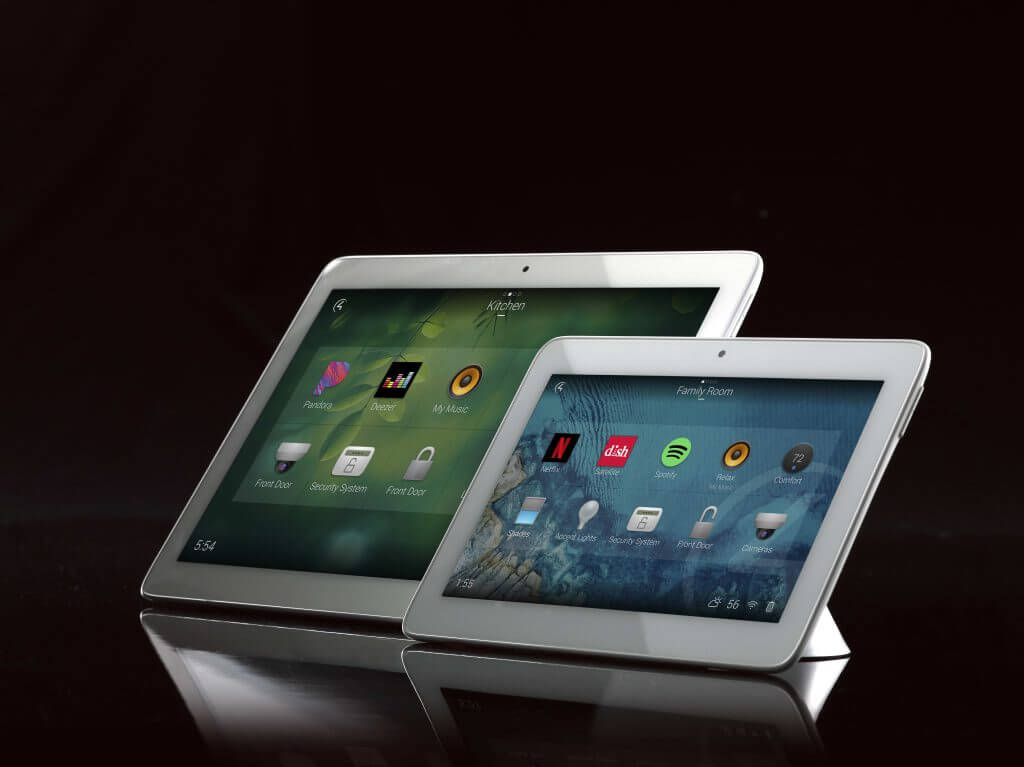
Shade controls should follow the building routine. A wall control near the door may be enough for one office. A larger shared room may need grouped operation, a presentation preset and an individual adjustment. Facilities staff may want a defined schedule while room users still need a convenient override.
We identify who can change the programming, which controls remain available locally and what happens when equipment restarts. Scheduled or sensor-based operation is considered only where supported by the selected system. Naming groups by room or window wall is more useful to staff than equipment numbers. For broader coordination, explore commercial building automation.
Resolve Power and Mounting Before Installation
New construction creates an opportunity to plan wiring and concealed shade pockets before finishes are complete. A retrofit requires a closer look at accessible power, existing trim, ceiling conditions and how equipment can be serviced later. Battery and wired options have different upkeep and installation requirements; availability depends on the selected shade.
We review mounting surfaces, bracket clearance, roll direction and potential obstructions. Furniture, doors and window handles should not interfere with travel. Required electrical work, framing, finish repairs and any landlord approvals are identified with the appropriate project partners. A tidy installation begins with those responsibilities being clear.
Build a Useful Scope for Your Proposal
A helpful starting point is a window schedule or a few photographs marked with room names. Tell us where glare occurs, which spaces need privacy and whether the project includes new AV or lighting controls. If one room is causing most of the trouble, that room can guide the initial evaluation.
Performance priorities
Identify which windows need glare reduction, retained views, privacy or stronger light blockage. Describe the relevant room activities and the times of day when the problem is most noticeable.
Building conditions
Share window sizes, access restrictions, existing shade information and renovation drawings if available. Note unusual heights, recessed pockets or areas that need coordination with other trades.
Control expectations
List the desired wall controls, room groups, presets and schedules. Include existing control-system models so compatibility can be reviewed before integration is included in the scope.
From Site Review to Staff Walkthrough
The project begins with measurements and a discussion of the intended operation. We then define the window treatments, controls, power approach and installation responsibilities. Fabric selection and mounting details are confirmed before equipment is ordered.
Installation is scheduled with your building contact and access requirements in mind. After mounting and setup, we check shade travel, limits, group commands and the agreed presets or schedules. A walkthrough shows staff how to use the normal controls, make an override and avoid obstructing shade movement. We also review the selected manufacturer’s cleaning and maintenance guidance so upkeep matches the actual fabric and equipment.
Discuss Your Phoenix Area Shade Project
Whether you are updating a Scottsdale boardroom, reducing glare in a Glendale office or planning shades for a Peoria or Surprise commercial space, start with the rooms and windows that need attention. We can also discuss shading as part of a larger commercial audio and video project.
Contact Audio Video by Design at (480) 242-6459 or sales@avbydesign.com. Share your location, room uses and project timing through our contact form. Visit commercial services for related planning options.








Testimonials
What Our Customers
Say About Us
Commercial Motorized Shade FAQs
Can motorized shades help with glare on office monitors?
They can help when the fabric, shade position and window conditions are selected for the problem. We review where people sit, the direction of the windows and when glare occurs. Reducing direct light may involve a tradeoff with views or daylight.
Do solar shades provide nighttime privacy?
Do not assume a solar-screen fabric provides privacy in every lighting condition. Interior visibility changes with lighting on both sides of the glass. Explain the privacy requirement so we can evaluate a suitable fabric or an additional treatment.
Will blackout shades make a presentation room completely dark?
Blackout fabric blocks light through the material, but gaps around the shade can still admit light. Window details, mounting, side treatment and other room openings matter. We review the level of darkness needed rather than promising total darkness from fabric alone.
Can shades work with our existing AV control system?
Potentially. We need the control-system and shade information to check supported interfaces and functions. The proposal should name the integration being provided, such as a room preset or grouped control, and identify any equipment or programming required.
Can you add shades to an occupied business?
We can plan around agreed building access and room availability. Installation details depend on mounting, power and the extent of other work. Tell us about occupied spaces, landlord requirements and restricted times so the scope and schedule account for them.
What determines the cost of a commercial shade project?
Window count and size, fabric, mounting, power, controls, access and integration all affect scope. Photographs and a room list are useful first steps, followed by site review and confirmed measurements. We provide a project-specific proposal rather than a universal per-window figure.
Answers to common questions as you plan your project.
Phone Number
(480) 242-6459Office Address
30249 N. 124th Lane,
Peoria, AZ 85383
SEND US A MESSAGE


