
K–12 School AV and Athletic Sound Systems in Phoenix
Plan clear announcements, game-day sound and practical school AV for gyms, stadiums, baseball fields, weight rooms and learning spaces.

Sound System Connections
School Audio and Video Built Around Daily Use
A school sound system has to serve people in very different settings. An assembly needs understandable speech across gym bleachers. A baseball announcer needs a dependable microphone and a clear way to play music. A coach needs straightforward controls in the weight room. Classroom and common-area displays have their own viewing and source requirements.
Audio Video by Design helps K–12 school teams plan audio, video and athletic sound projects across Phoenix, Scottsdale, Glendale, Peoria and Surprise. From our Peoria, Arizona office, we can discuss the spaces, existing equipment and operating needs with facilities directors, athletic staff, school administrators and IT contacts.
Activities and audience areas guide the coverage, equipment, infrastructure and controls. Installation and handover are coordinated around the school’s access procedures and calendar, with practical operation for designated staff.
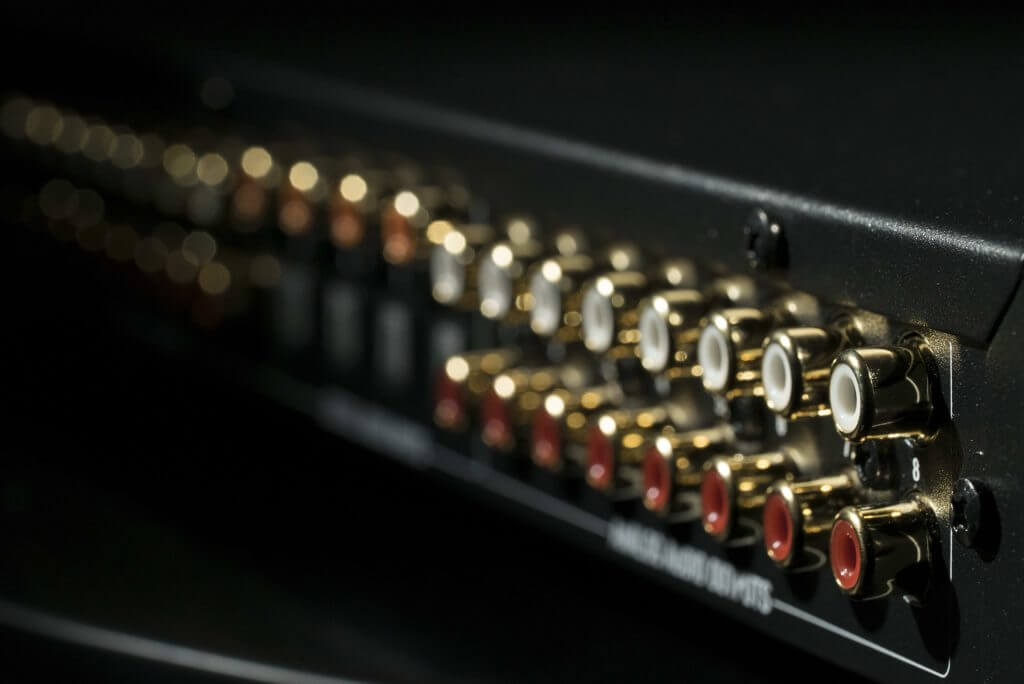
Gymnasium Sound for Assemblies and Athletics
Gyms combine reflective floors, walls and ceilings with changing audience positions. A system used for a quiet announcement may also need to serve a pep rally, basketball game or school assembly. We review the floor, bleachers and other listening areas so coverage priorities are clear.
Speaker placement and aiming matter because excessive energy directed at reflective surfaces can reduce speech clarity. Microphone positioning, usable operating levels and processing also affect feedback control. Reverberation and microphone feedback are different problems; equalization or a feedback processor cannot remove the room’s lingering reflections. Where acoustics remain a limiting factor, the scope can identify coordination for appropriate treatment. The design should explain how speech and music requirements are balanced rather than relying on loudness alone.
A Clear Scope for Facilities and Athletic Teams
We help identify essential functions, equipment that may be retained and work to consider in later phases. Each gym, stadium and baseball field needs evaluation for its acoustic and environmental conditions.
The proposal can define microphone inputs, music sources, speaker zones, displays, controls and related cabling. It should also identify coordination with network, electrical and structural partners, plus the agreed commissioning and staff walkthrough. Ordinary presentation and athletic AV is planned separately from specified emergency, fire-alarm or life-safety paging. Any required interfaces must be reviewed with the school and qualified parties responsible for those systems before they are included.
Stadium and Bleacher Announcement Systems
We map spectator seating, the playing area, announcer location and other requested coverage. A stadium may need separate levels for different seating sections, with clear operator adjustment limits.
Distance and multiple speaker locations can create timing issues, so placement, aiming and any required signal delay are reviewed together. We also discuss nearby classrooms, neighboring properties and unwanted sound outside the intended audience area. Announcements and music can share a system when the equipment and routing are designed for that use. Scope decisions include announcer inputs, staff control locations, rack access and the cabling routes between those points.
Baseball Field Announcements and Music
Define the baseball bleachers, dugout areas or other locations that need coverage. We review the announcer position, existing speakers and whether portable or fixed source connections are needed.
An operator-friendly arrangement can provide a clearly labeled microphone input, music source selection and an appropriate announcement preset. Where supported by the selected equipment, music can be reduced when the microphone is active. Wireless microphones require review of the intended operating area and placement, while wired options may suit a fixed announcer location. The plan also covers secure equipment storage, outdoor connections and the operator’s setup and shutdown routine.
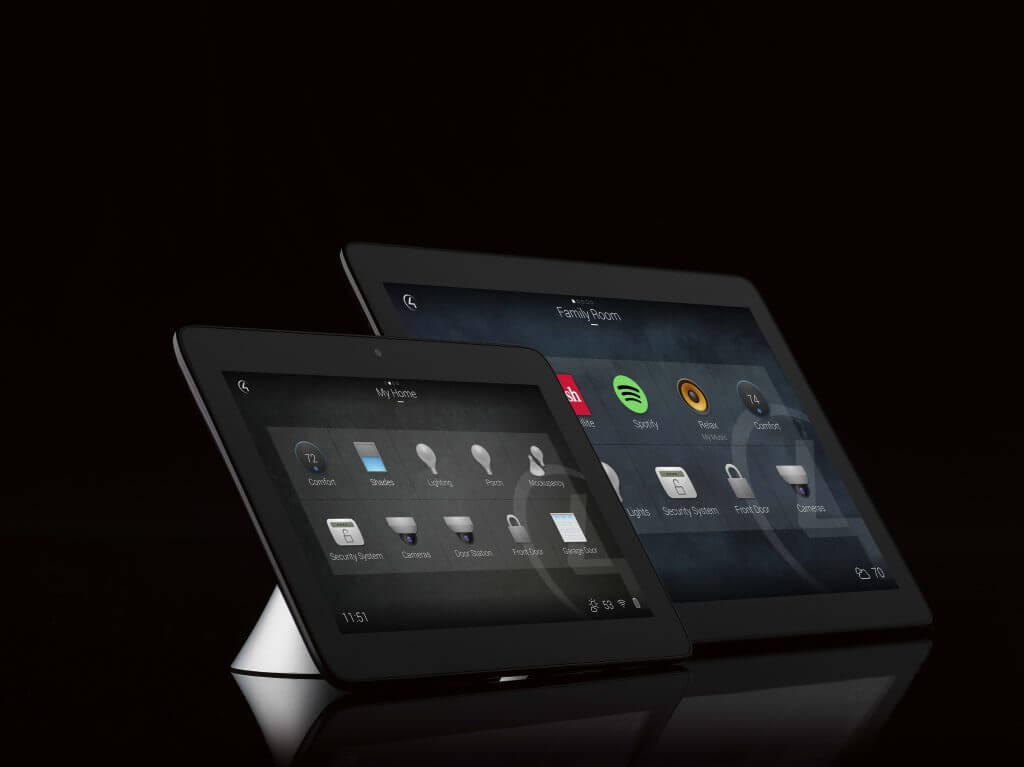
Weight Rooms, Classrooms and Common Spaces
Not every school AV need is a large event system. Weight rooms may require music with independent level control and a straightforward way for staff to make announcements. Classroom AV may center on a teacher’s presentation source, a readable display and clear playback. Cafeterias, libraries and commons can combine everyday information with occasional presentations.
Weight rooms and training areas
Review equipment noise, listener locations, practical volume limits and access to controls. Define whether the system needs only music or also instructor speech and video.
Classrooms and teaching spaces
Plan source connections, display sightlines, playback sound and any agreed voice reinforcement. The control arrangement should suit the teacher’s normal tasks and the school’s technology standards.
Common areas and staff spaces
Define when a space needs information displays, event playback or a microphone. Different activities may justify separate presets instead of one permanent setup.
Displays, Projection and Selected Video Connections
School video planning begins with the content and viewing positions. We review whether staff need to show lesson material, game information, event video or digital signage, and where viewers will sit or stand. Screen location, image size, room lighting and mounting conditions shape the choice between displays and projection.
Video routing to a scoreboard or other athletic display is considered only after the selected equipment’s inputs, formats and supported functions are confirmed. A scoreboard-compatible video connection does not imply control of scoring, timing or every scoreboard feature. Signage also needs an identified content owner and an agreed player or management approach. Any recording or streaming capability requires a separate scope discussion, with school-approved access and content policies defined by the school.
Outdoor Ratings, Cabling and Campus Infrastructure
Arizona installations require attention to actual exposure. We review heat, dust, moisture, direct sun and whether equipment is sheltered or exposed to water. Speakers, displays, enclosures, connectors and cables must be selected for their intended conditions and installed according to the applicable manufacturer instructions; an outdoor label alone does not settle every installation detail.
Campus routes may require long cable runs, conduit, trenching, building penetrations or network coordination. The scope identifies which parties handle those tasks, equipment power, structural mounting and service access. For networked AV, we review the required switch features, capacity, settings and device access with school IT. Existing pathways and wiring are evaluated before reuse. See our commercial network and Wi-Fi service for related infrastructure planning.
Scope Questions and Controls for School Staff
A useful proposal describes normal operation and project responsibilities alongside the equipment. Coaches and announcers may need a small set of labeled choices, while facilities staff retain access to setup functions. Depending on the selected system, presets can distinguish a game, assembly, practice or music-only session.
Activities and audience areas
Which sports, assemblies or teaching activities need support? Which bleachers, rooms or outdoor areas must hear or see the content? What fails with the current system?
Users and sources
Who will operate the system, and where? List microphones, music devices, presentation computers and any requested video destinations. Identify school-approved accounts and content responsibilities.
Budget and project requirements
Which functions are essential now, and which can wait? Share the school’s proposal format, equipment standards, approval route, documentation needs and purchasing requirements with the project contact. These inputs guide the scope; they do not replace the school’s procurement review.
School Scheduling, Commissioning and Handover
Planning includes the school calendar, games, testing periods and occupied-space restrictions. Site visits and installation are arranged through the designated school contact, with campus entry, work-area access and any required screening handled under the school’s procedures. Equipment availability and related-trade work also affect the schedule.
After installation, commissioning checks the agreed inputs, speaker zones, display paths and control presets. We walk the relevant audience areas with the school’s representative, review microphone use and demonstrate normal operation to designated staff. Handover can include agreed system information, operating guidance and a support contact process. Identify any requested acceptance criteria early, including accessibility-related functions or assistive listening requirements, so the responsible school and project specialists can review them. Broader business room planning is covered by commercial audio and video.
To discuss a Phoenix, Scottsdale, Glendale, Peoria or Surprise school project, call (480) 242-6459, email sales@avbydesign.com or send the initial scope through our contact form. Explore commercial services for related installation planning.








Testimonials
What Our Customers
Say About Us
School AV and Athletic Sound FAQs
Can you plan a gym sound system for both announcements and music?
Yes. The scope can include both, with speech clarity, music playback and operator controls considered together. We review the room’s acoustics, audience locations and microphone use. Different activities may need different presets, and acoustical treatment may require separate coordination.
Why are gym announcements hard to understand even when they are loud?
Reflections can blur speech, and uneven speaker coverage can leave some listeners hearing too much reflected sound. Placement, aiming, operating levels and the room itself matter. We evaluate the cause before proposing equipment; adding volume alone may not resolve the problem.
Can an outdoor system cover our baseball bleachers or stadium?
We can review the defined listening areas and existing infrastructure. Coverage depends on speaker positions, distance, sound requirements and environmental exposure. Tell us where announcements and music need to be heard, including any areas where sound should be limited.
Can staff use simple controls instead of a full mixing console?
Often, the agreed system can provide labeled inputs, volume controls or named presets. We need to understand the events and operator roles first. More complex productions may require additional mixing capability, while routine announcements can have a simpler workflow.
Can video connect to our scoreboard or athletic display?
Potentially, subject to the actual equipment. We review model information, supported video inputs, formats and routing. A video feed and scoreboard scoring or timing control are separate functions, and the proposal should state precisely which capability is included.
Is an athletic sound system also our emergency paging system?
Ordinary athletic and presentation AV should not be assumed to perform specified emergency, fire or life-safety functions. We identify any requested interface and coordinate with the school and qualified parties responsible for those systems. Required performance and approvals need to be addressed within that separate scope.
What should we send to begin a school AV discussion?
Share your campus location, spaces, audience areas, existing equipment, desired functions and target dates. Include the designated facilities or IT contact and the school’s purchasing requirements. Call (480) 242-6459, email sales@avbydesign.com or use our contact form to arrange the next step.
Answers to common questions as you plan your project.
Phone Number
(480) 242-6459Office Address
30249 N. 124th Lane,
Peoria, AZ 85383
SEND US A MESSAGE


